Why Are My Sheets Pilling? Causes, Prevention, and What to Do
Those little fuzzy balls on your sheets are frustrating, especially when the rest of your bed still feels fresh. The good news is that pilling is usually a fabric-care issue you can understand and address. It happens when loose surface fibers are repeatedly rubbed, weakened, and tangled together. Everyday sleep, laundering, and drying can all create that friction over time.1
A few thoughtful changes to the way you wash, dry, and rotate your bedding can help reduce unnecessary abrasion. Here is what causes sheet pilling, what you can do about it, and how to build a gentler care routine for your bedding.
What Is Sheet Pilling?
Pilling is the name for the small, compact fiber balls that appear on a fabric’s surface. They form when loose fibers are pulled from the fabric, then twist together as the material rubs against itself or another surface. It can happen on many types of bedding, not just one particular fabric.
The simple version: Pilling comes from repeated friction. The goal is not perfection after every wash, but reducing the extra rubbing that makes surface fibers wear faster.
Why Are My Sheets Pilling?
There is rarely just one reason. Most pilling comes from a combination of everyday use, laundry conditions, and friction from rougher fabrics or hardware.1
| Common cause | What is happening | A practical adjustment |
|---|---|---|
| Everyday movement | Sheets rub against your body, pajamas, and the mattress as you sleep. | Rotate your sheet sets so the same set is not used continuously. |
| Mixed laundry loads | Towels, denim, zippers, and rougher fabrics can create extra abrasion. | Wash sheets separately from rough or heavy items. |
| Aggressive wash settings | A long or forceful cycle increases movement between fabrics. | Choose a gentle cycle and follow the care label. |
| High dryer heat | Heat and repeated tumbling can add wear to already-loose surface fibers. | Air dry when the care label allows, or choose lower heat and remove sheets promptly. |
| Fabric age | Even carefully cared-for sheets experience gradual wear. | Watch for a change in feel or thinning, then replace bedding when needed. |
How to Help Prevent Sheets From Pilling
The most effective approach is a simple, low-friction laundry routine. Start with your product’s care label, because water temperature and drying guidance differ by material and construction. Then use these habits to reduce the extra wear that can make pilling appear sooner.
1. Separate Sheets From Rougher Laundry
Give sheets their own load whenever possible. Towels, jeans, items with zippers, and textured garments can rub against bedding during a wash and add abrasion. Sorting by texture is a straightforward way to make the wash gentler on a sheet’s surface.1
2. Use a Gentle Cycle and Mild Detergent
A gentle cycle reduces the intensity of fabric-on-fabric movement. Use the amount of detergent recommended for your machine and load, rather than adding extra product. Excess detergent can be difficult to rinse away completely, so more is not necessarily better.
3. Skip Excess Heat When You Can
Drying instructions matter. If your care label allows air drying, it can be a low-friction option. If you use a dryer, choose the gentlest compatible heat setting and remove the sheets once they are dry instead of allowing additional tumbling. Excess heat and repeated motion can add unnecessary wear.1
4. Avoid Overloading the Washer
Sheets need room to move through water and rinse properly. An overfilled machine can cause sheets to twist around other laundry, leaving less room for a thorough yet gentle clean. A smaller bedding-only load is often the easier choice.
5. Keep Nails, Zippers, and Rough Edges in Mind
Friction does not only happen in the laundry room. Pets, rough calluses, sharp nails, and abrasive bed layers can all create localized wear over time. You do not need to worry about every small detail, but it helps to notice whether pilling is concentrated in one repeated spot.
What to Do If Your Sheets Are Already Pilling
Once a pill has formed, a laundry routine cannot reverse it completely. However, you can remove surface pills carefully and then adjust your care habits to reduce more abrasion.
A fabric shaver made for textiles can be a useful option. Test it on a small, less visible area first and use a light touch. Do not pull at the pills with your fingers, because that can tug at surrounding fibers. Afterward, wash and dry the set according to its care label, with the gentler practices above in mind.
If the fabric has become thin, rough, or uncomfortable in addition to pilling, it may be time to replace that set. This is especially true if the wear is concentrated in areas that see the most friction, such as the center of the fitted sheet.
A Gentler Care Routine for Bamboo Viscose Sheets
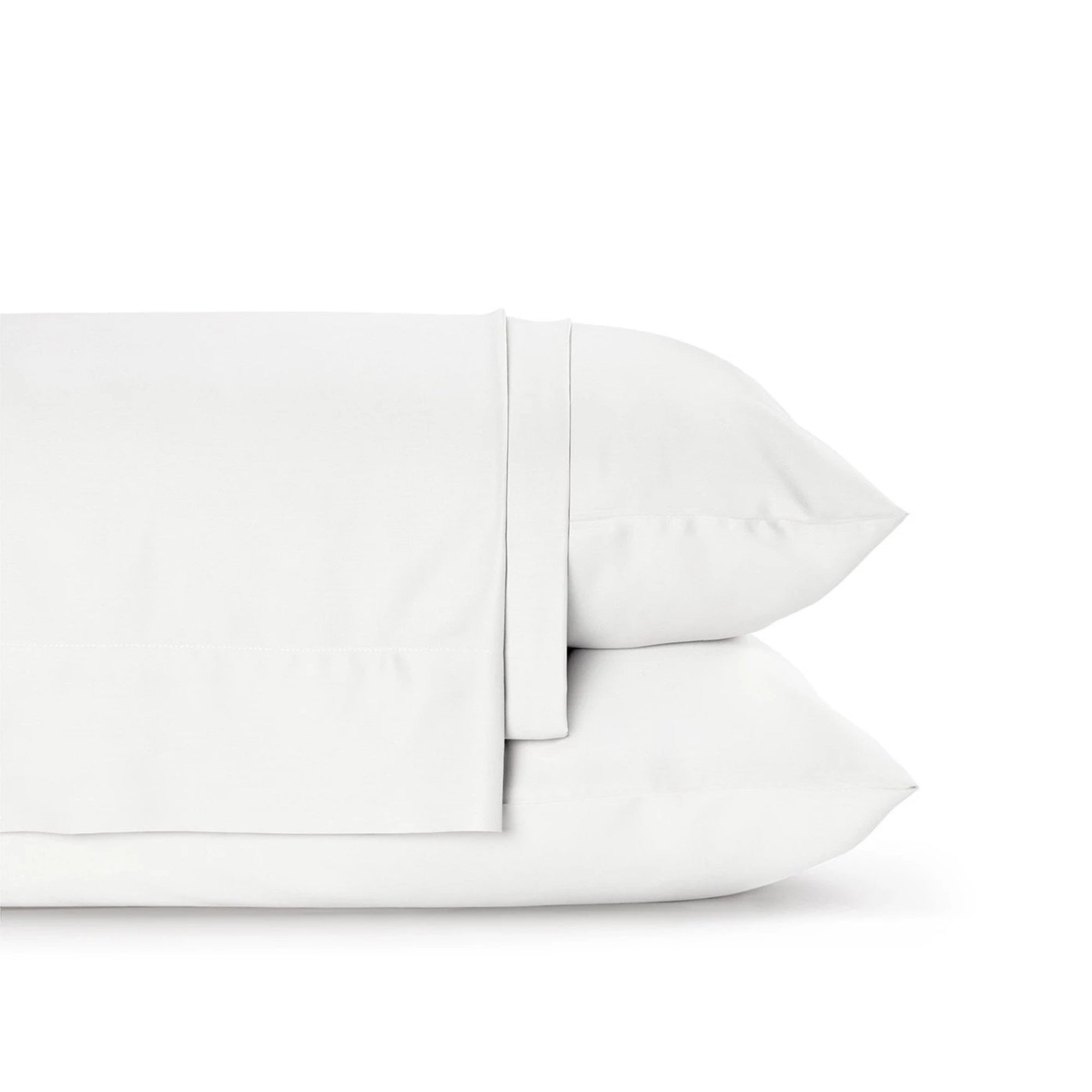
For your Pure Fiber Bamboo Viscose Sheets Set, follow the product-specific care instructions first. Pure Fiber’s four-piece bamboo viscose sheet set is available in Queen, King, and California King, making it easy to rotate bedding while keeping a coordinated bed.2
For a fuller wash-day routine, see our complete guide to washing bamboo viscose sheets. Pairing product-specific care instructions with a gentler laundry routine is the best way to give any sheet set thoughtful, consistent care.
When It Is Time for Fresh Sheets
Pilling alone is not always a reason to replace a sheet set. But when pilling is accompanied by thinning fabric, worn elastic, rough texture, or a fit that no longer stays in place, a fresh set can make the bed feel more comfortable again.
If you are ready for a bedding refresh, explore the Pure Fiber bedding collection, including bamboo viscose sheets, pillowcases, and duvet cover sets designed to layer together.
The Bottom Line
Pilling is a common result of surface friction, not a laundry failure. Give your sheets a little more space in the washer, keep them away from rougher items, use the gentlest compatible drying method, and follow the care label for your specific bedding. Those small choices can help keep sheets feeling smoother for longer.