Skip to content

Our PrimeDay Starts Now! Use Code: PRIME30 for 30% Off

shop now

Cart

Your cart is empty

Article: What Is Bamboo Viscose? Everything You Need to Know

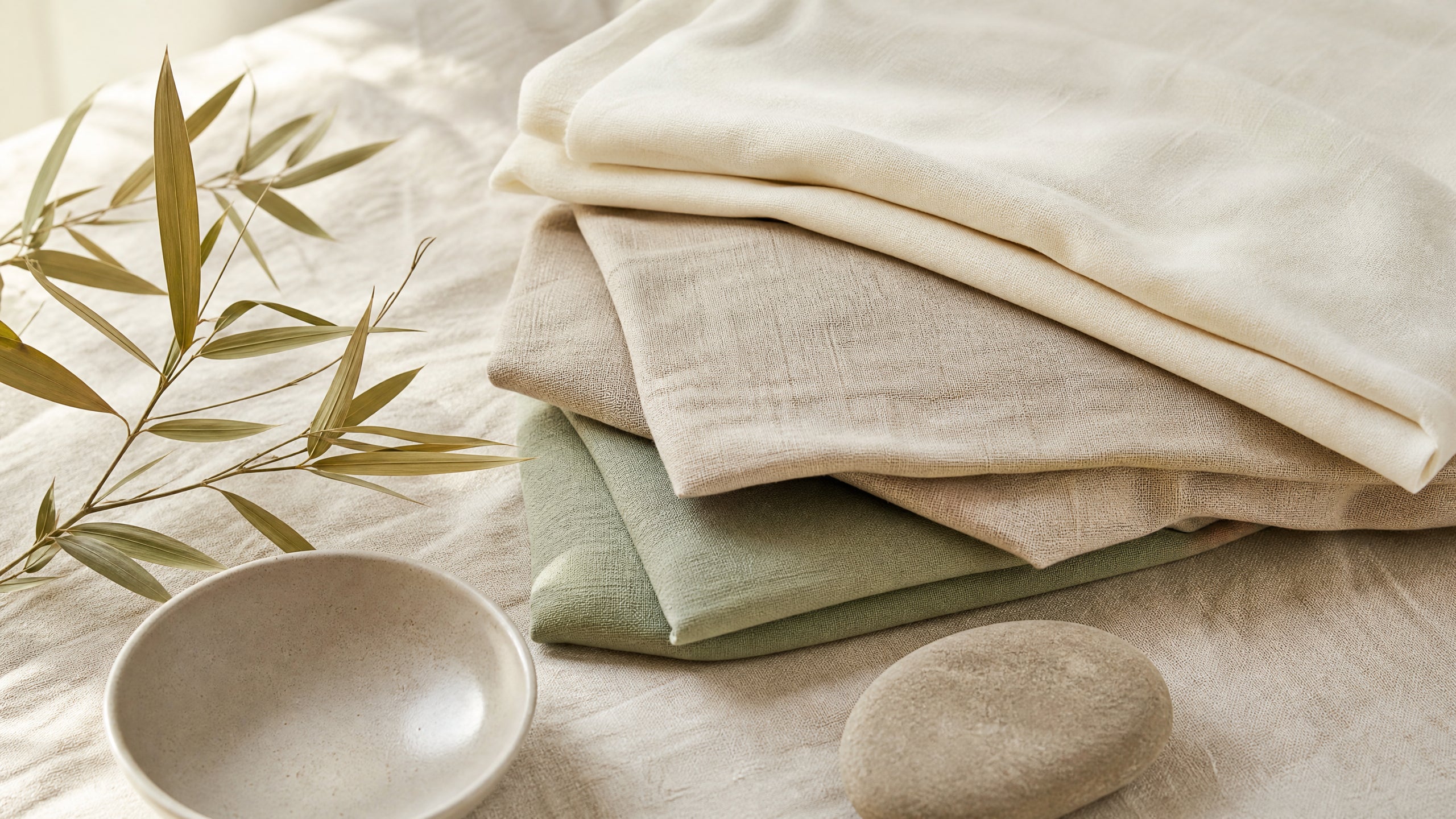
Bamboo viscose fabric swatches in natural tones with bamboo leaves - Pure Fiber luxury bedding

What Is Bamboo Viscose? Everything You Need to Know

What Is Bamboo Viscose? Everything You Need to Know

Introduction

If you've been exploring luxury home textiles, you've likely come across the term bamboo viscose. But what is bamboo viscose exactly, and why has it become a favorite among eco-conscious consumers and comfort seekers alike? At Pure Fiber, we believe understanding the fabric beneath your sheets, towels, and loungewear enhances your appreciation of true luxury.

Bamboo viscose is a type of fabric made from the cellulose fibers extracted from bamboo plants. Renowned for its silky softness, breathability, and hypoallergenic properties, this fabric is fast becoming a staple in premium bedding and apparel. But beyond comfort, bamboo viscose also offers sustainability benefits that align with modern values.

How Is Bamboo Viscose Made?

Understanding how bamboo viscose is made reveals why it combines natural origins with refined softness. The process transforms raw bamboo into a luxurious fiber ready for weaving into fabric. Here is a step-by-step overview:

  1. Harvesting Bamboo: Mature bamboo stalks are carefully harvested, ensuring sustainability by allowing regrowth.
  2. Chipping and Pulping: The bamboo stalks are chopped into small chips and then soaked in chemicals to break down the plant into a pulp of cellulose fibers.
  3. Filtering and Cleaning: The pulp is filtered and cleaned to remove impurities, resulting in a pure cellulose solution.
  4. Spinning into Viscose: The purified pulp is then spun into viscose fibers through a chemical process that regenerates cellulose into soft threads.
  5. Drying and Cutting: The viscose fibers are dried and cut into staple fibers suitable for spinning into yarn.
  6. Weaving or Knitting: The yarn is woven or knitted into bamboo viscose fabric, ready for dyeing and finishing.
  7. Finishing Touches: The fabric undergoes final treatments to enhance softness, durability, and breathability before being crafted into products.

What Does Bamboo Viscose Feel Like?

One of the most common questions is is bamboo viscose soft? The answer is a resounding yes. Bamboo viscose fabric is exceptionally smooth and silky to the touch, often compared to the luxurious feel of silk or high-thread-count cotton. This softness comes from the fine fibers produced during the viscose manufacturing process.

Beyond softness, bamboo viscose is also breathable, allowing air circulation to keep you cool and comfortable throughout the night or during wear. Its gentle texture is ideal for sensitive skin, making it a popular choice for bedding and loungewear.

Key Benefits of Bamboo Viscose Fabric

The rise in popularity of bamboo viscose fabric is no accident. Here are some of the key advantages that make it a standout choice for luxury home textiles:

  • Hypoallergenic: Bamboo viscose fabric is naturally hypoallergenic, reducing the risk of irritation and making it suitable for sensitive skin.
  • Breathability: Its moisture-wicking properties help regulate temperature, ensuring you stay cool and dry.
  • Eco-Friendly: Bamboo is a fast-growing plant that requires fewer pesticides and less water, contributing to sustainability.
  • Softness and Comfort: The silky texture provides an indulgent feel against the skin.
  • Durability: When cared for properly, bamboo viscose sheets and garments maintain their quality over time.
  • Moisture-Wicking: Keeps you comfortable by drawing moisture away from the body.

Bamboo Viscose vs Other Fabrics

Fabric Softness Breathability Hypoallergenic Eco-Friendly Moisture-Wicking Durability
Bamboo Viscose Very Soft High Yes High Excellent Good
Cotton Soft Moderate Moderate Moderate Good Very Good
Linen Moderate Very High Yes High Good Excellent
Microfiber Soft Low Moderate Low Poor Good

Is Bamboo Viscose Sustainable?

Sustainability is a critical factor when choosing textiles today. So, is bamboo viscose sustainable? The answer is nuanced. Bamboo as a plant is highly sustainable due to its rapid growth, minimal need for fertilizers, and ability to grow without replanting. This makes it an eco-friendly raw material.

However, the viscose manufacturing process uses chemicals that require careful management to minimize environmental impact. At Pure Fiber, we prioritize sourcing bamboo viscose made with responsible practices that reduce chemical waste and conserve resources, ensuring our products maintain a balance of luxury and sustainability.

Bamboo Viscose Thread Count: Does It Matter?

Thread count is often discussed when selecting bedding, but how does it apply to bamboo viscose sheets? Bamboo viscose thread count does matter, but in a way slightly different from traditional cotton sheets. Because bamboo viscose fibers are finer and smoother, a lower thread count can still feel incredibly soft and luxurious.

At Pure Fiber, we carefully select thread counts that optimize the balance between durability and softness, often ranging between 300 and 400 for our bamboo viscose sheets, delivering exceptional comfort without sacrificing longevity.

Why Pure Fiber Uses Bamboo Viscose

At Pure Fiber, our commitment to quality, comfort, and sustainability guides every choice. We choose bamboo viscose fabric to craft our sheets, towels, robes, and loungewear because it delivers unmatched softness, breathability, and hypoallergenic qualities that our customers deserve.

Explore our full range and experience the luxury of bamboo viscose firsthand. Shop Pure Fiber bamboo viscose sheets and elevate your home textile experience with products designed for modern living and timeless comfort.

Frequently Asked Questions

What is the difference between bamboo viscose and rayon? +

Bamboo viscose is a type of rayon made specifically from bamboo cellulose. While rayon can be made from various plant sources, bamboo viscose emphasizes bamboo as its raw material, offering unique softness and sustainability benefits compared to generic rayon fabrics.

Are bamboo viscose sheets truly hypoallergenic? +

Yes. Bamboo viscose fabric has natural hypoallergenic properties, making it an excellent choice for those with sensitive skin or allergies. It helps reduce irritation by resisting allergens and providing a gentle texture.

How should I care for bamboo viscose products? +

To maintain the softness and durability of bamboo viscose fabric, wash your items in cold water on a gentle cycle and avoid harsh detergents or bleach. Tumble dry on low or air dry to preserve fabric integrity and prevent shrinkage.

Conclusion

Now that you know what bamboo viscose is and why it matters, it's clear why this fabric is celebrated for luxury home textiles. From its silky softness and breathability to its hypoallergenic and sustainable qualities, bamboo viscose offers unparalleled comfort and conscientious living.

Discover the Pure Fiber difference by indulging in our carefully crafted bamboo viscose sheets, towels, robes, and loungewear. Elevate your everyday comfort with fabrics designed to nurture your skin and respect the planet. Shop Pure Fiber bamboo viscose sheets today and experience the ultimate in sustainable luxury.

Read more

Best Sheets for Hot Sleepers: Stay Cool All Night
bamboo viscose sheets

Best Sheets for Hot Sleepers: Stay Cool All Night

Struggling to stay cool and comfortable all night long? If you're one of the many hot sleepers who wake up drenched in sweat or tossing and turning due to heat, choosing the right bedding can make ...

Read more