Bamboo vs. Tencel: Which Cooling Fabric Is Right for Your Bed?
If you've been shopping for cooling, eco-friendly bedding, two names keep coming up: bamboo and Tencel. Both are prized for being soft, breathable, and gentler on the planet than conventional cotton — but they're not the same thing, and each has its own strengths. So which one belongs on your bed? Here's a clear, side-by-side breakdown to help you choose.
First, What Are They?
Bamboo viscose is a soft, silky fabric made from the pulp of fast-growing bamboo. It's known for a smooth, cool-to-the-touch drape that many people compare to high-end cotton or even silk, at a far friendlier price.
Tencel (the brand name for lyocell) is made from sustainably sourced wood pulp, usually eucalyptus, processed in a closed-loop system that recycles nearly all of its water and solvents. The result is a smooth, lightweight fabric famous for moisture management.
Both are technically "regenerated cellulosic" fibers — natural raw materials transformed into a silky-soft yarn. That shared DNA is why they feel similar, but the details set them apart.
Bamboo vs. Tencel: Side by Side
Softness & feel
Bamboo viscose has that buttery, almost fluid softness — luxurious and cozy, with a drape that hugs you. Tencel is silky too, but tends to feel a touch crisper and lighter. If your priority is that melt-into-the-bed plushness, bamboo usually wins; if you like a lighter, airier hand, Tencel is lovely.
Cooling & breathability
This is where both shine, and it's close. Bamboo viscose is highly breathable and cool to the touch, excellent for hot sleepers. Tencel is exceptional at wicking and releasing moisture, so it excels if you sweat heavily at night. Either one will sleep far cooler than standard cotton or synthetics.
Sustainability
Both are more eco-friendly than conventional cotton, which is thirsty and pesticide-heavy. Tencel's closed-loop production is a standout for water and solvent recycling. Bamboo, meanwhile, grows incredibly fast with little water and no pesticides. Both are strong sustainable choices — you can feel good either way.
Durability & care
Both love a gentle cold wash and a skip on the fabric softener. Bamboo viscose famously gets softer with every wash, while Tencel holds its smooth structure well over time. Neither likes high heat, so tumble low or hang dry.
Price
Bamboo viscose typically offers that luxe, silky feel at a more accessible price point, which is a big part of its appeal. Tencel can run a bit higher depending on the product.
So, Which Should You Choose?
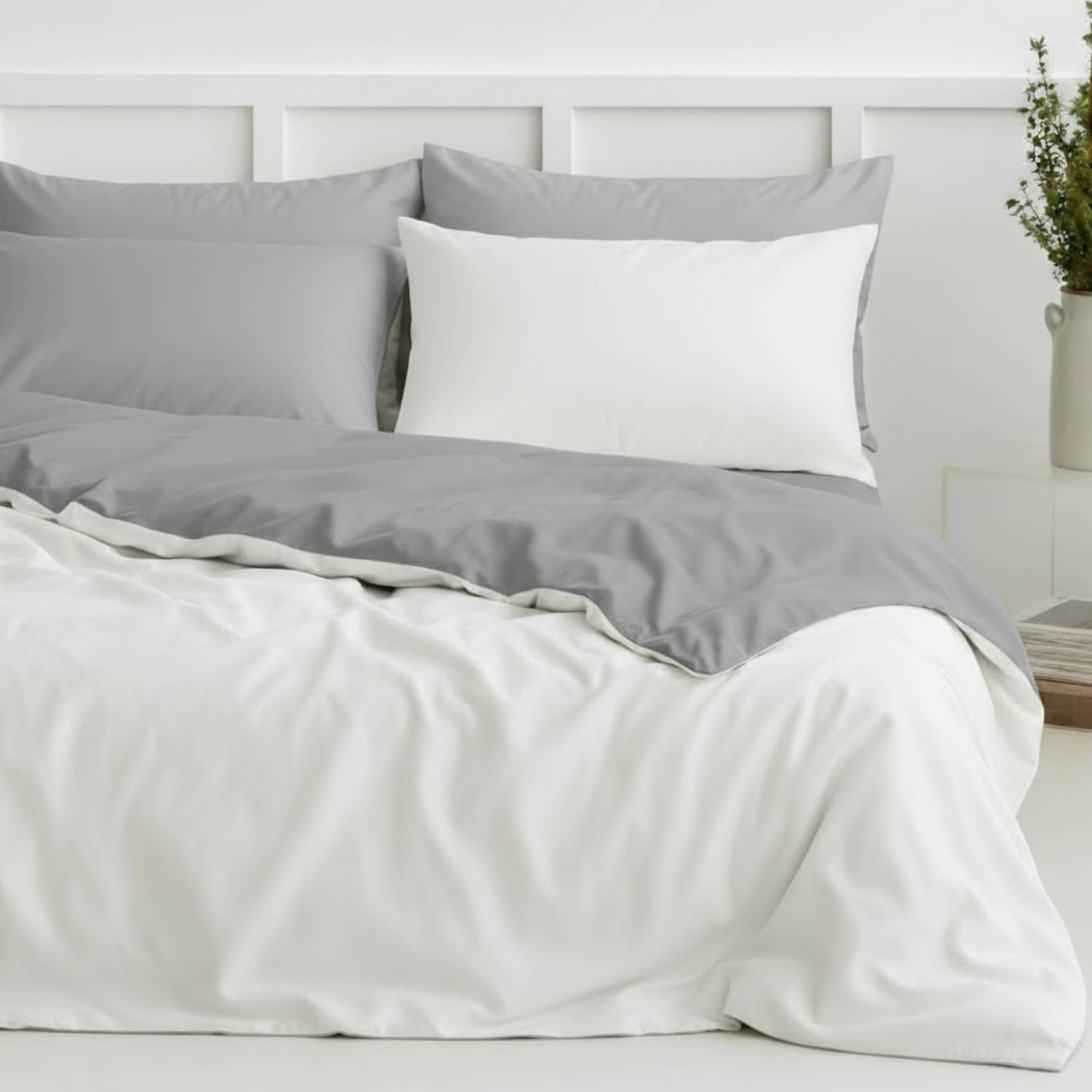
Choose bamboo viscose if you want maximum softness and a cozy, silky drape at a great value, and you run warm at night. Our 100% Bamboo Viscose Sheets Set delivers exactly that — breathable, temperature-regulating, and impossibly soft, which is why it's a bestseller for hot sleepers. Round out the set with a Bamboo Viscose Pillowcase Set that stays cool against your skin all night.
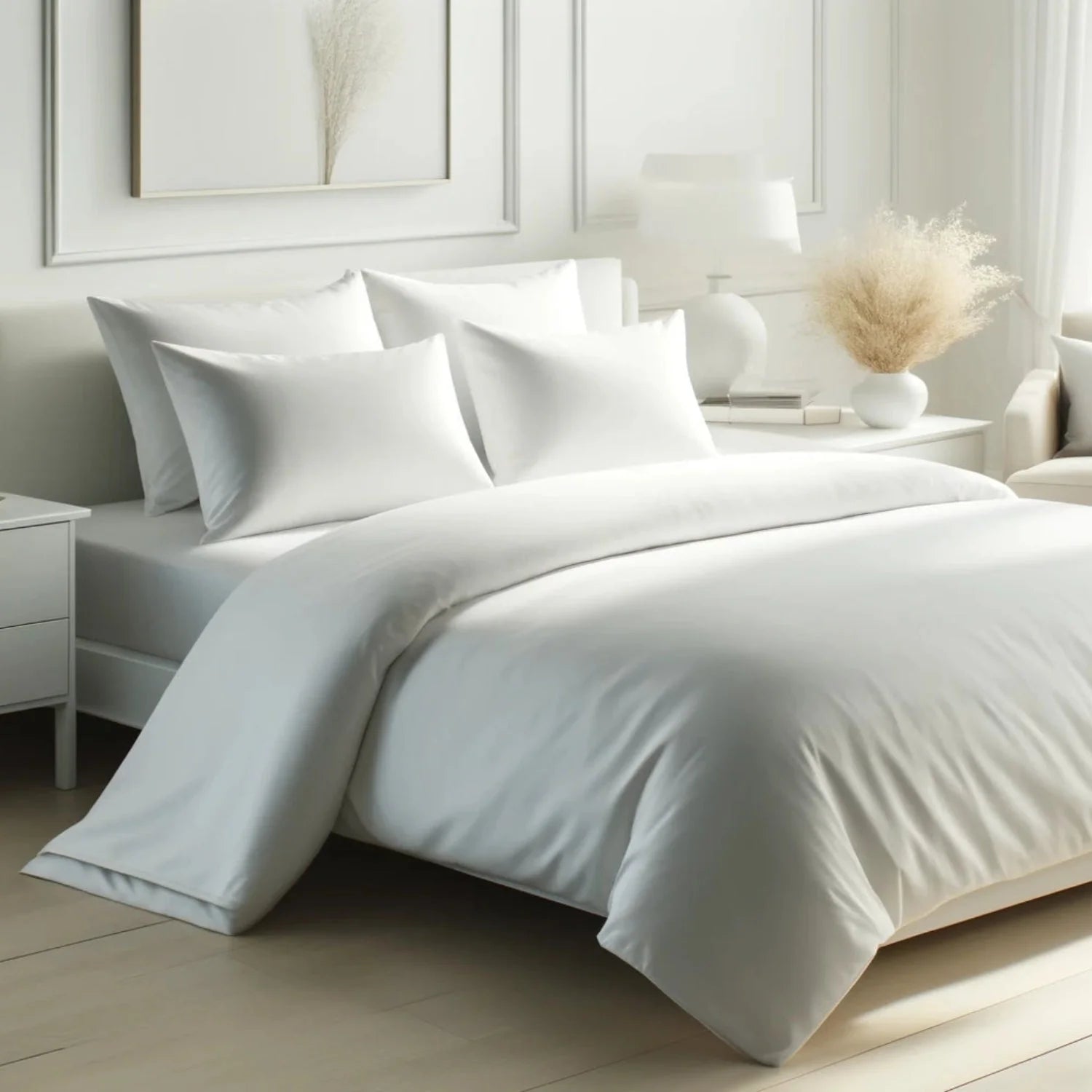
Choose Tencel if you want a lighter, crisp-yet-silky feel with best-in-class moisture management. Our Elite Tencel Duvet Set wraps your bed in that cool, sustainable luxury and layers beautifully over bamboo sheets.
And here's the secret most people miss: you don't have to pick just one. Pairing breathable bamboo sheets with a Tencel duvet gives you the best of both fabrics — cozy softness underneath, cool moisture-wicking comfort on top. It's a combination hot sleepers swear by.
The Bottom Line
Bamboo and Tencel are both excellent, eco-friendly, cooling fabrics — you really can't lose. Reach for bamboo viscose when you want plush softness and value, and Tencel when you want a light, moisture-wicking layer. Or layer them together for a bed that sleeps cool and feels luxurious from top to bottom.
Ready to build your cooling bed? Start with our Bamboo Viscose Sheets and add the Elite Tencel Duvet Set on top.