Bamboo Viscose Sheets vs. Microfiber Sheets: Which Is Actually Better?
TL;DR: When comparing bamboo viscose vs microfiber sheets, bamboo viscose is the clear winner for breathability, cooling, and eco-friendliness. Microfiber is a synthetic fabric that traps heat, while bamboo viscose is a naturally derived, moisture-wicking fabric ideal for hot sleepers. Shop Pure Fiber bamboo viscose sheets.
If you are shopping for new bedding, you have probably noticed two fabrics dominating the market: bamboo viscose and microfiber. Both are marketed as incredibly soft and durable, but they could not be more different in how they are made, how they feel, and how they impact your sleep quality.
For those looking to upgrade their sleep experience, the debate of bamboo viscose vs microfiber sheets comes down to a choice between natural breathability and synthetic convenience. In this guide, we will break down the core differences, pros and cons, and help you decide which fabric is truly better for your bed.
What Are Microfiber Sheets?
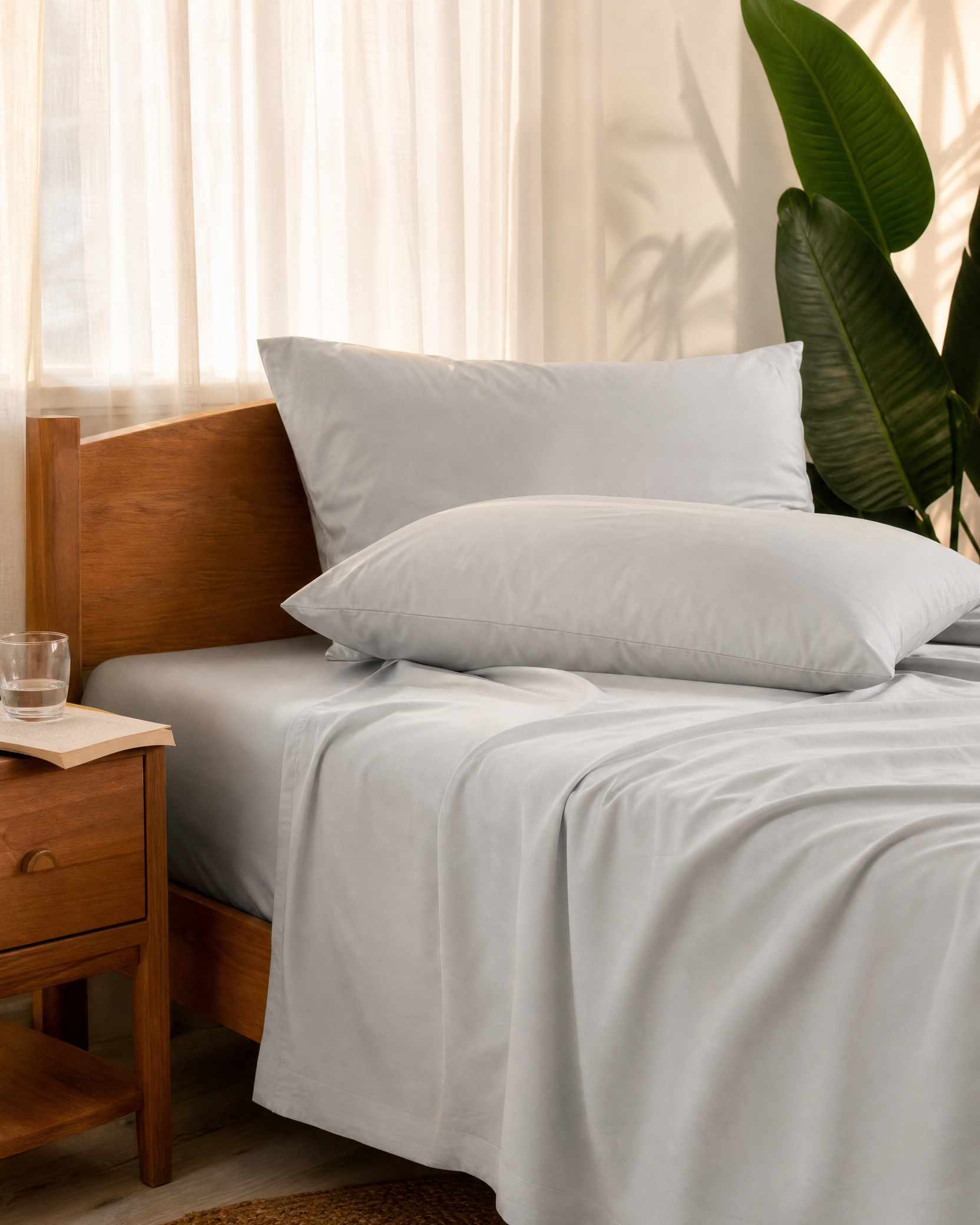
Microfiber is a synthetic fabric made from finely woven polymers, typically polyester, nylon, or a blend of both. The fibers are incredibly thin, finer than a strand of silk, which allows them to be woven tightly together. This tight weave makes microfiber sheets very soft, highly durable, and resistant to wrinkles and stains.
Because they are made from synthetic materials, microfiber sheets are inexpensive to produce, making them one of the most budget-friendly bedding options available. However, that synthetic nature is also their biggest drawback when it comes to sleep quality.
What Are Bamboo Viscose Sheets?
Bamboo viscose, on the other hand, is a semi-synthetic fabric derived from natural bamboo viscose cellulose. The fast-growing bamboo viscose plant is harvested, broken down into a pulp, and spun into incredibly soft, breathable fibers.
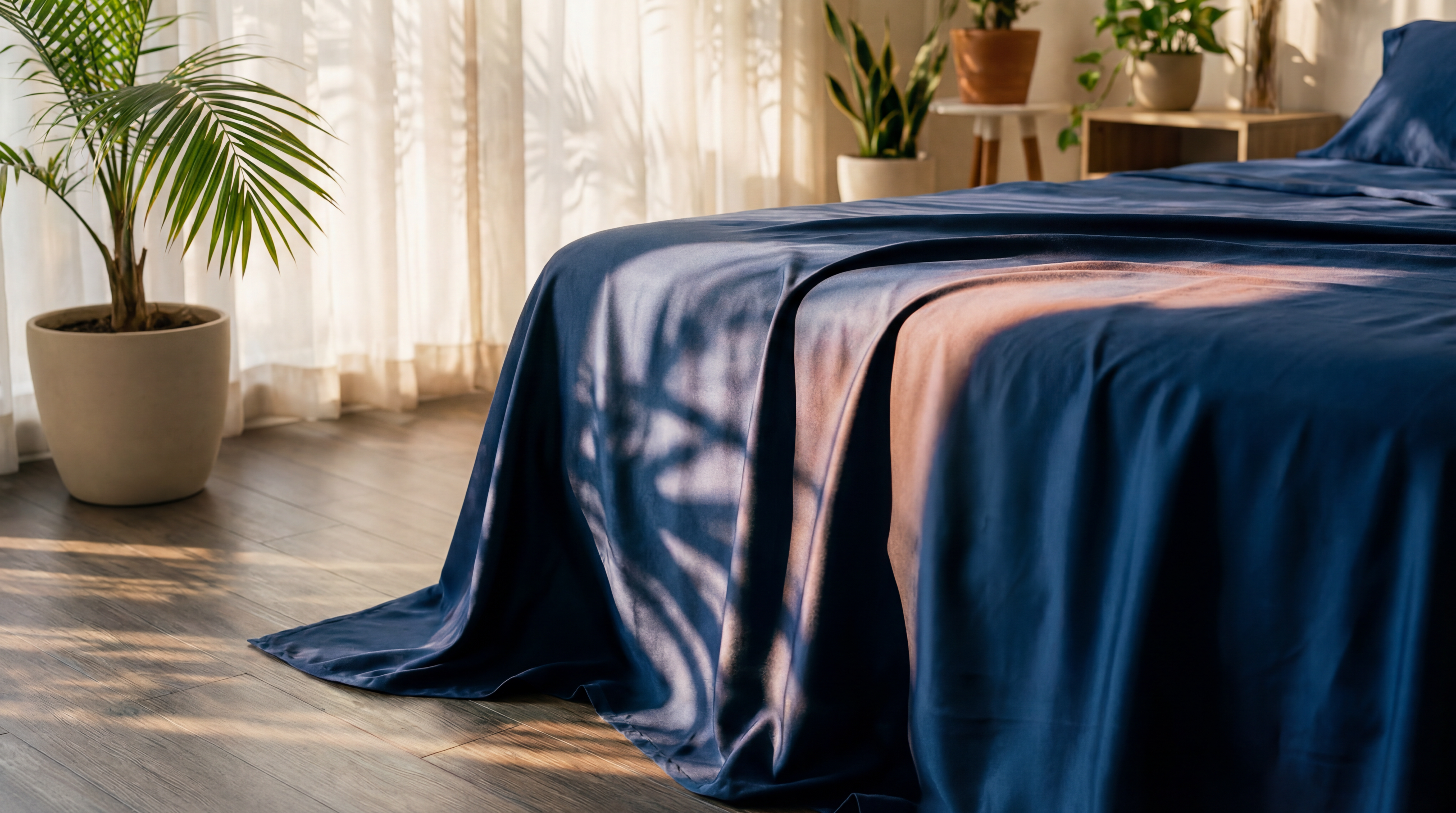
The resulting bamboo viscose sheets are renowned for their silky-smooth texture, exceptional moisture-wicking properties, and natural temperature regulation. Unlike petroleum-based microfiber, bamboo viscose is a plant-based textile that offers genuine breathability.
Temperature Regulation: Which Sleeps Cooler?
If you are a hot sleeper or deal with night sweats, this is the most critical comparison.
Microfiber: Because microfiber is made from plastic polymers woven tightly together, it is notoriously bad at regulating temperature. It traps body heat and does not absorb moisture well, meaning sweat stays against your skin. For hot sleepers, microfiber can turn a bed into an uncomfortable sauna.
Bamboo Viscose: Bamboo viscose is naturally micro-porous, allowing air to flow freely through the fabric. It is also highly absorbent, wicking moisture away from the body up to three times faster than cotton. This makes bamboo viscose one of the best cooling sheets available, keeping you dry and comfortable all night long.
Softness and Feel
Both fabrics are undeniably soft, but they feel very different against the skin.
Microfiber has a slightly brushed, peach-fuzz texture that feels cozy and warm. However, it can sometimes cling to dry skin or create static electricity.
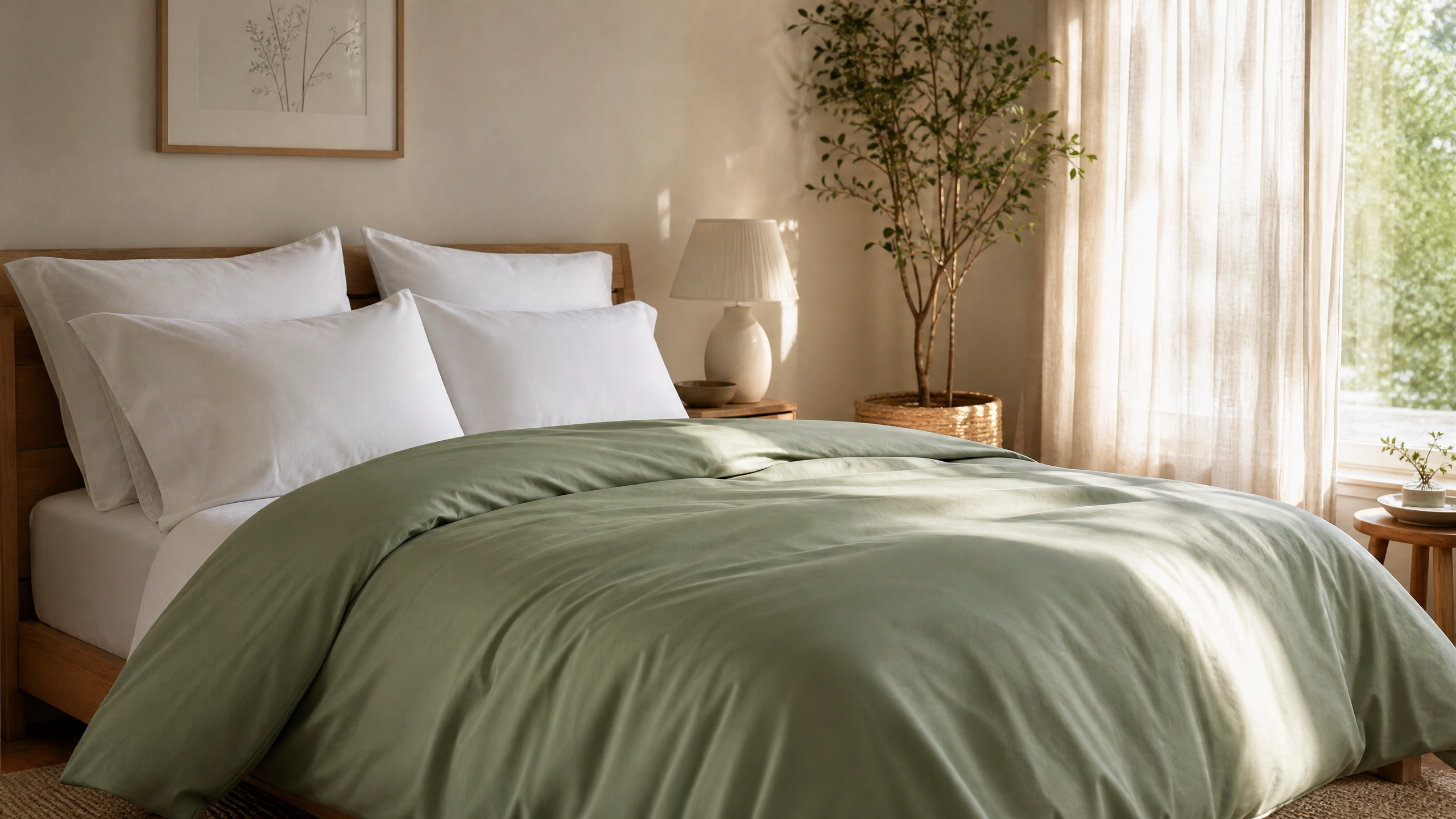
Bamboo viscose has a fluid, silky drape that feels cool to the touch. It glides effortlessly over the skin, reducing friction. This smooth texture is why bamboo viscose pillowcases are highly recommended for preventing hair frizz and sleep creases.
Hypoallergenic Properties and Skin Health
For those with sensitive skin, allergies, or eczema, the choice of bedding is crucial.
Bamboo viscose is naturally hypoallergenic and gentle on the skin. Its smooth fiber structure reduces irritation, and it is less likely to harbor dust mites. At Pure Fiber, our bamboo viscose is OEKO-TEX certified, meaning it is tested and proven free from harmful chemicals.
Microfiber, while tightly woven to resist dust mites, is still a synthetic plastic. It does not breathe well, which can exacerbate skin conditions by trapping sweat and bacteria against the body.
Durability and Care
Both fabrics are durable, but they require different care.
Microfiber is low-maintenance. It resists wrinkles, shrinking, and stains, and can withstand frequent washing in warm water. However, it is prone to pilling over time, especially if washed with rougher fabrics.
Bamboo viscose requires slightly gentler care to maintain its silky feel. It should be washed in cold or warm water on a gentle cycle and dried on low heat. When cared for properly, high-quality bamboo viscose resists pilling and actually gets softer with every wash.
Environmental Impact
When comparing the sustainability of bamboo viscose vs microfiber sheets, the difference is stark.
Microfiber is a petroleum-based product. Every time microfiber sheets are washed, they shed microscopic plastic fibers (microplastics) into the water system, which eventually end up in our oceans.
Bamboo Viscose is one of the most sustainable plants on Earth. It grows rapidly, requires very little water, and does not need pesticides. While the viscose manufacturing process does use chemicals to break down the bamboo viscose pulp, responsibly sourced bamboo viscose remains a far more eco-friendly bedding choice than virgin polyester.
Comparison at a Glance
| Feature | Bamboo Viscose | Microfiber |
|---|---|---|
| Material | Plant-based (Cellulose) | Synthetic (Polyester/Nylon) |
| Breathability | Excellent; highly cooling | Poor; traps heat |
| Moisture-Wicking | High | Low |
| Feel | Silky, smooth, cool | Brushed, cozy, warm |
| Eco-Friendly | Yes (Renewable resource) | No (Petroleum-based, sheds microplastics) |
| Price | Mid to High | Low |
The Verdict: Which Is Better?
If you are outfitting a guest room on a strict budget, microfiber sheets are an affordable, wrinkle-free option. However, if you are looking to invest in your own sleep quality, health, and comfort, bamboo viscose is the clear winner.
The superior breathability, moisture-wicking performance, and luxurious silky feel of bamboo viscose make it an upgrade you will notice every single night. For hot sleepers and those with sensitive skin, the switch from synthetic microfiber to breathable bamboo viscose is truly life-changing.
Ready to experience the difference? Shop Pure Fiber bamboo viscose sheets today.
FAQ
Are bamboo viscose sheets cooler than microfiber?+
Yes, bamboo viscose sheets are significantly cooler than microfiber. Bamboo viscose is naturally breathable and moisture-wicking, allowing body heat to escape. Microfiber is made from synthetic plastics that trap heat and sweat.
Do microfiber sheets make you sweat?+
Yes, microfiber sheets are prone to making people sweat. Because they are woven tightly from synthetic materials, they lack the breathability of natural fibers, causing heat and moisture to build up beneath the covers.
Which is softer, bamboo viscose or microfiber?+
Both are very soft, but they have different textures. Microfiber has a brushed, slightly fuzzy feel, while bamboo viscose has a smooth, silky drape that feels cool and luxurious against the skin.