Skip to content

Take 30% off with code: SUMMER30

shop now

Cart

Your cart is empty

Article: What Is a Good Thread Count for Sheets? (Why Fabric Matters More)

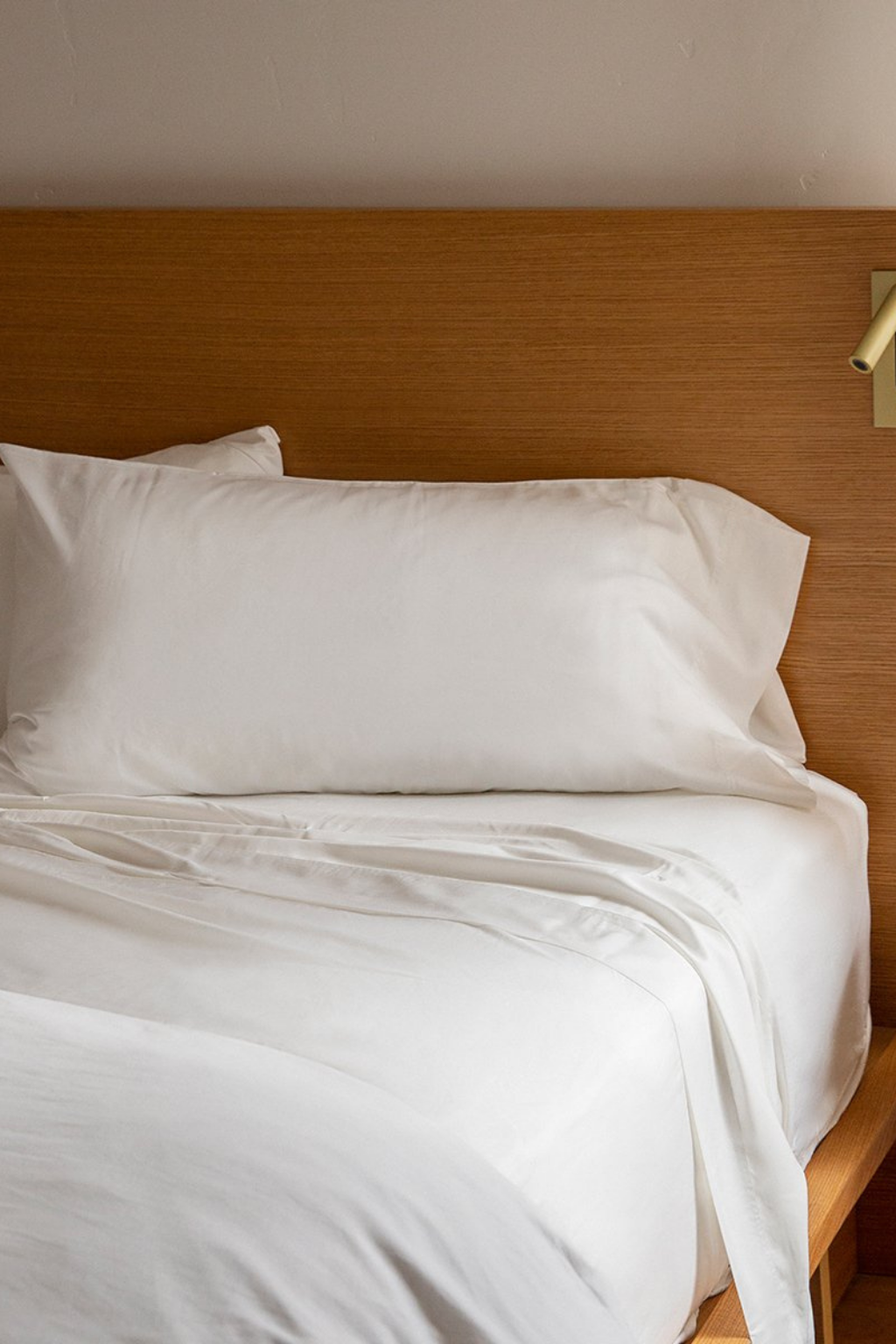
Bamboo viscose sheets showing fabric quality over thread count - Pure Fiber

What Is a Good Thread Count for Sheets? (Why Fabric Matters More)

If you've ever shopped for sheets, you've seen the numbers: 400 thread count, 800, 1,000, even 1,500. For decades, thread count has been marketed as the measure of sheet quality — the higher, the better. But here's what most bedding brands won't tell you: thread count is one of the least reliable ways to judge a sheet.

In this guide, we'll break down what thread count actually means, what a good thread count really is, why the number on the package can be misleading, and why the fabric your sheets are made from matters far more than how many threads are woven into them.

What Is Thread Count, Exactly?

Thread count is the number of threads woven into one square inch of fabric — counting both the horizontal (weft) and vertical (warp) threads. A sheet with 150 threads running each direction has a thread count of 300.

In theory, more threads per inch means a denser, smoother, more durable weave. And within a single fabric type, that's loosely true — up to a point. A 300-thread-count cotton sheet will generally feel finer than a 120-thread-count muslin.

The problem is what happens beyond that point.

The Thread Count Myth: Why Higher Isn't Better

There's a physical limit to how many quality threads can fit into a square inch of fabric — most textile experts put it around 400 to 500 for single-ply cotton. So how do brands advertise 1,000 or 1,500 thread count sheets?

Usually one of two ways:

  • Multi-ply yarns. Manufacturers twist two, three, or four thinner (and often weaker) strands together and count each strand separately. A 300-thread-count sheet made with 4-ply yarn suddenly becomes "1,200 thread count" — with no improvement in feel, and often a heavier, less breathable result.
  • Cheaper, thinner threads. Cramming in more threads often means using lower-grade fiber, which pills, traps heat, and wears out faster.

The result: an inflated number on the package and a sheet that sleeps hot and feels stiff. If you've ever bought "luxury" 1,000 TC sheets and wondered why they didn't feel luxurious, this is why.

So What Is a Good Thread Count for Sheets?

For quality single-ply construction, here's a realistic guide:

  • Cotton (percale or sateen): 250–400 is the sweet spot
  • Bamboo viscose: 250–350 — and it will feel softer than cotton at double the number
  • Linen: 80–150 (linen threads are thicker, so counts run much lower)

Anything advertised dramatically above these ranges deserves a skeptical eye. A well-made 300-thread-count sheet from a premium fiber will outperform an inflated 1,000 TC sheet every single night.

Why Fabric Matters More Than Thread Count

Here's the truth experienced sheet shoppers eventually learn: the fiber determines how a sheet feels, breathes, and lasts — not the thread count.

Take bamboo viscose. Its fibers are naturally longer, rounder, and smoother than cotton fibers, which is why our 100% Bamboo Viscose Sheets Set feels silkier than cotton sheets with two or three times the thread count. Customers regularly compare the feel to 1,000-thread-count Egyptian cotton — from a fabric that doesn't need an inflated number to get there.

Beyond softness, bamboo viscose brings advantages no thread count can buy:

  • Temperature regulation. Bamboo viscose is breathable and moisture-wicking, helping hot sleepers stay cool and comfortable through the night — something dense, high-thread-count weaves actively work against.
  • Hypoallergenic comfort. The smooth fibers are gentle on sensitive skin and resist common allergens.
  • Gentler on hair and skin. Less friction than standard cotton means less overnight tugging on hair and skin — one reason our Bamboo Viscose Pillowcase Set is a bestseller in its own right.
  • Durability with softness. Quality bamboo viscose actually gets softer with washing, while inflated multi-ply sheets tend to pill and stiffen.

How to Shop for Sheets Like an Expert

Next time you're comparing sheets, look past the big number on the package and check these instead:

  1. Fiber first. Choose the material that fits how you sleep. Run hot? Bamboo viscose sheets are among the best cooling sheets you can buy. Love a crisp feel? Look at percale cotton.
  2. Single-ply construction. If a thread count seems too high to be true, look for the word "ply" — or its suspicious absence.
  3. Weave and finish. A sateen weave (like ours) delivers that smooth, lustrous drape people associate with luxury hotels.
  4. Honest thread count range. 250–400 from a reputable maker beats 1,000+ from a mystery brand.
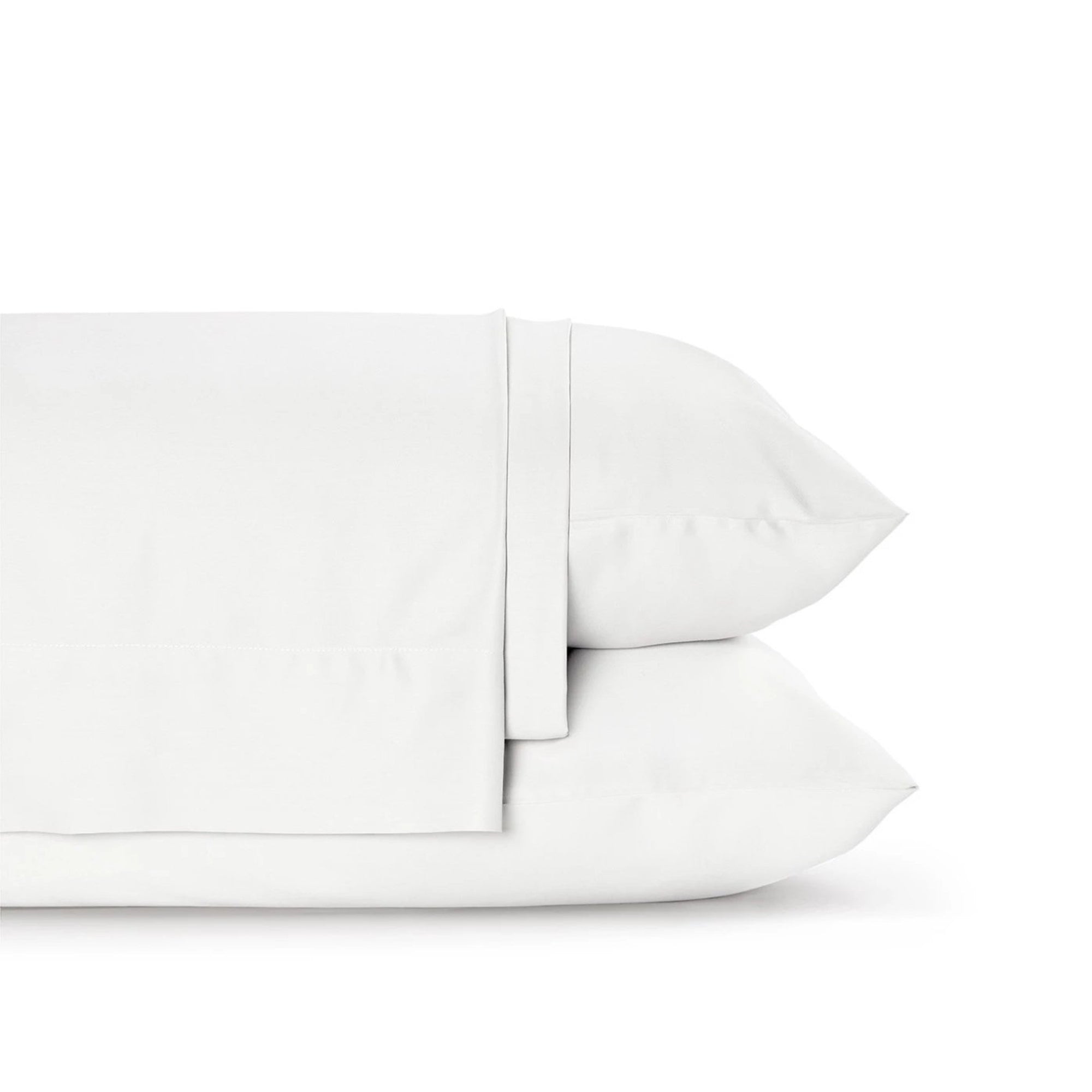
  5. The full set. Check what's included. Our bamboo viscose sheet set comes as a complete set of 4 — flat sheet, fitted sheet, and two pillowcases — so there's no piecing together separates.

Build a Better Bed, Beyond the Sheets

Once you've upgraded to fabric-first bedding, carry the same principle through the rest of the bed. Layer a Striped Bamboo Viscose Throw at the foot of the bed for a breathable extra layer that looks as good as it feels. And if your current pillowcases are high-thread-count cotton, swapping in bamboo viscose pillowcases is the fastest, most affordable way to feel the difference tonight.

The Bottom Line

A good thread count for sheets is 250–400 — honestly counted, in single-ply construction. But the real answer to "what thread count should I buy?" is: stop shopping by thread count and start shopping by fabric. A premium fiber like 100% bamboo viscose delivers the softness, breathability, and durability that inflated numbers only promise.

Ready to feel the difference for yourself? Explore our Bamboo Viscose Sheets Set — silky-soft, temperature-regulating, and honest about every thread.

Read more

Cooling bamboo sheets for night sweats - Pure Fiber

The Best Sheets for Night Sweats (and Why Bamboo Keeps You Cool)

Few things disrupt sleep like waking at 2am too hot, damp, and pushing the covers away. Whether it comes from menopause, hot flashes, or simply running warm, night sweats leave you tired and frustr...

Read more
Bamboo loungewear capsule for summer - Pure Fiber

The Best Bamboo Loungewear for Summer (and How to Build a Capsule You'll Live In)

When the temperature climbs, the last thing you want to lounge in is anything heavy, clingy, or heat-trapping. Summer calls for pieces that breathe — clothes you can nap in, work from home in, ru...

Read more